This week, nationally-syndicated advice column “Miss Manners” was asked how to respond to a person who stutters. "Is it rude to assist him in...
Miss Manners Knows How to Respond to a Stutterer
read more

Exploring the world of toys, language development, and play!
This week, nationally-syndicated advice column “Miss Manners” was asked how to respond to a person who stutters. "Is it rude to assist him in...
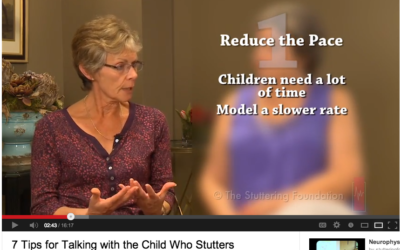
The non-profit Stuttering Foundation is an excellent resource that provides information and support for parents of children who stutter. It is for...
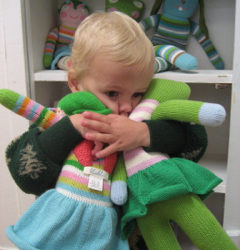
Parents often get alarmed when their preschooler begins to repeat words or even sounds as their language is developing. I know from experience in my...
“My my my car go.” There is so much to say and so little time. But as your child’s thoughts tumble out faster than he can express them, his system...
I just saw "The King's Speech" last night. It was every bit as good as everyone said it would be. Of course I had an added interest in the story...
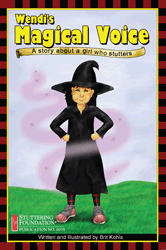
I like to keep reminding parents, students and therapists of the amazing resource they have in The Stuttering Foundationof America. As they say on...
The Stuttering Foundation of America has provided a list of "Myths about Stuttering" that is so relevant for International Stuttering Awareness Day...
One of my readers pointed out another excellent resource for parents, professionals and people who stutter: "As the mom of a child who stutters, I’d...
I just got the Stuttering Foundation’s Fall 2009 newsletter. For those of you who stutter or work with clients who stutter, this is a great resource...
203-228-4438
erika@playonwords.com